JAEN
Core technology, retrofit approach and example deployment plans for mines, steel mills and plants.
ARAV RX SERIES
ARAV RX is a retrofit kit that lets you operate a hydraulic excavator from up to approx. 1,000 km away and automate repetitive work such as hopper and crusher feeding. It installs without modifying the hydraulic system and works across makes, including Cat, Komatsu, Hitachi, Kobelco and Sumitomo.
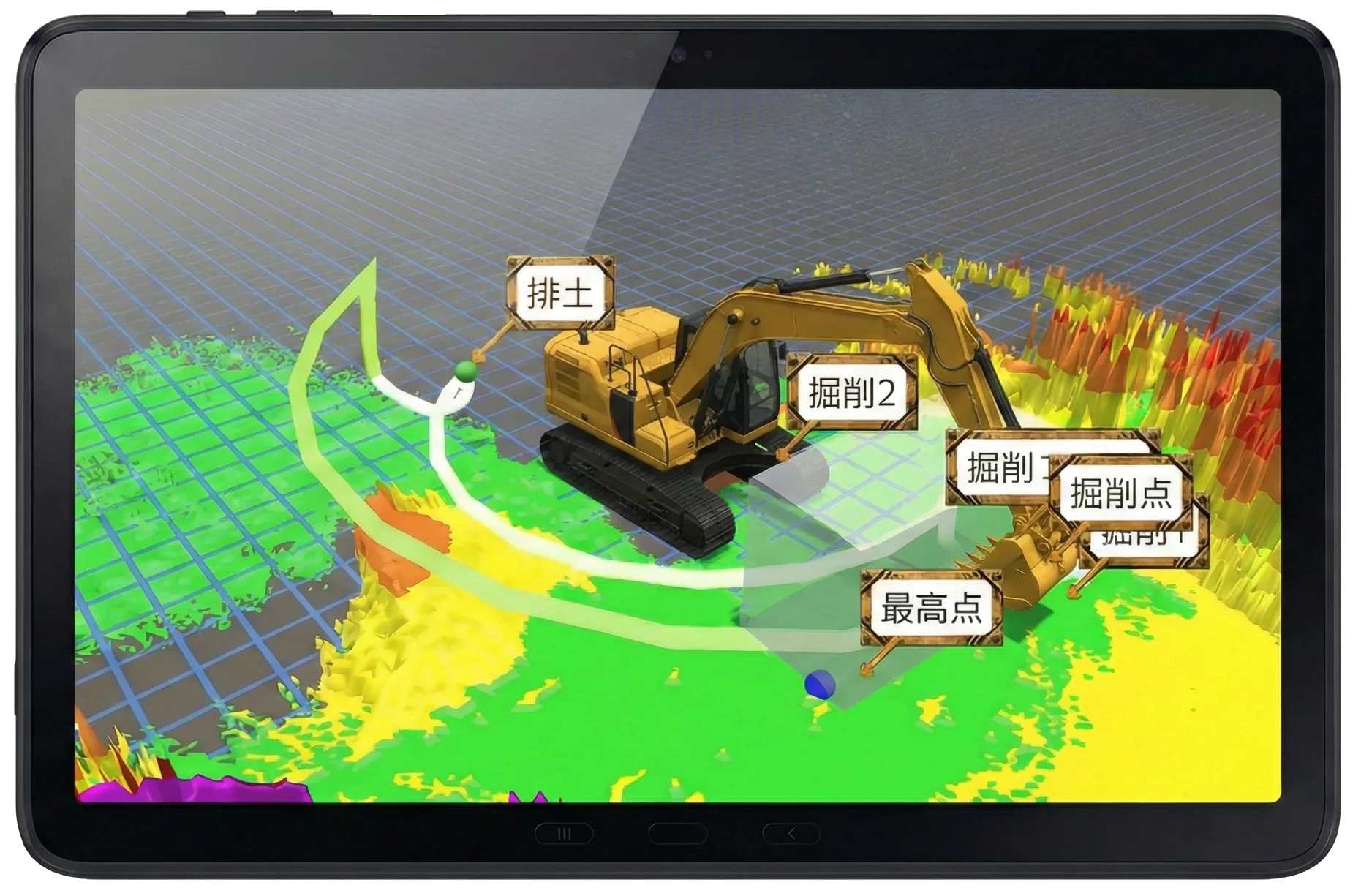
RX adds three capabilities to an existing excavator. You choose the combination that fits your site, and the machine can still be operated from the cab as before.
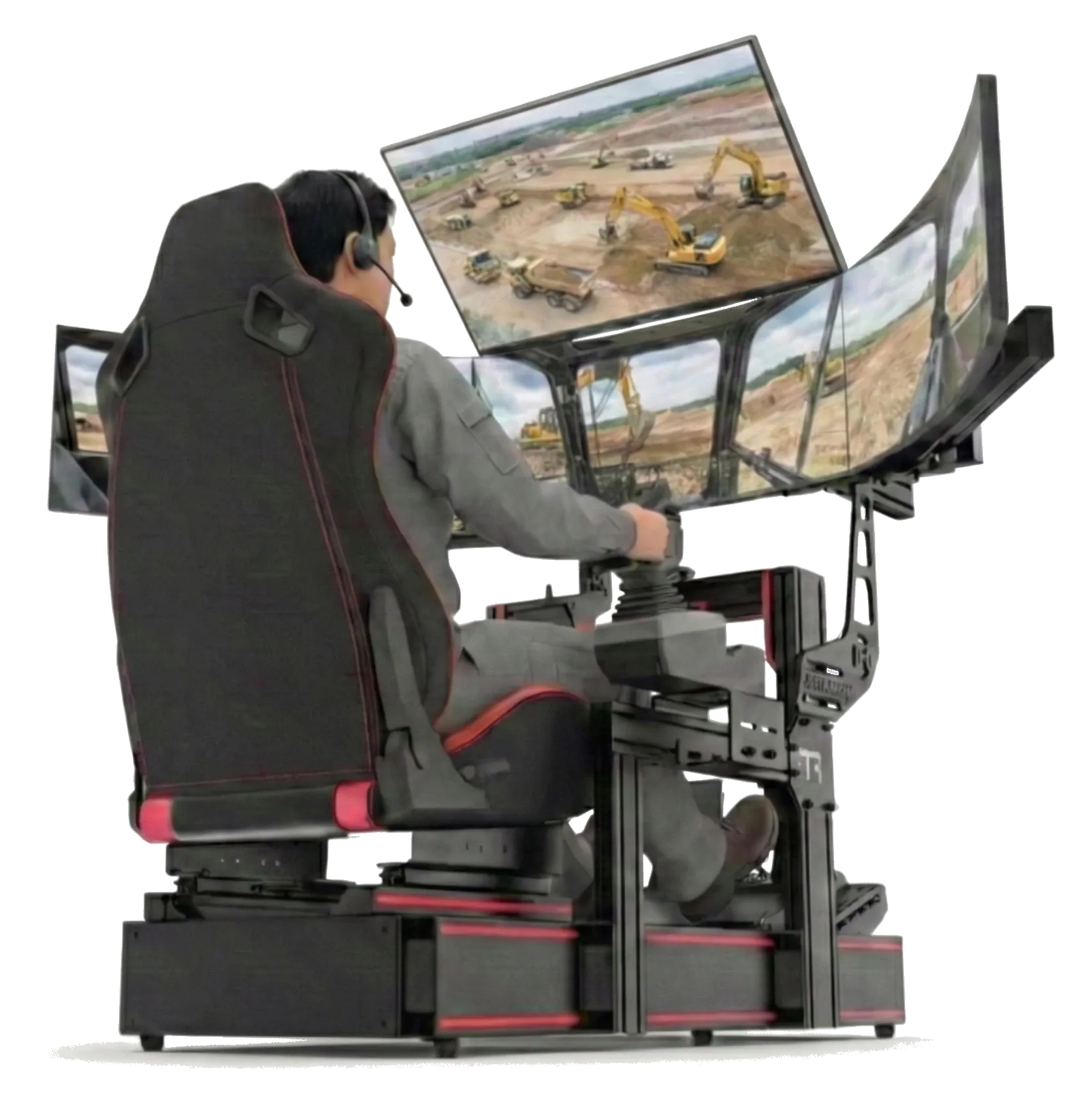
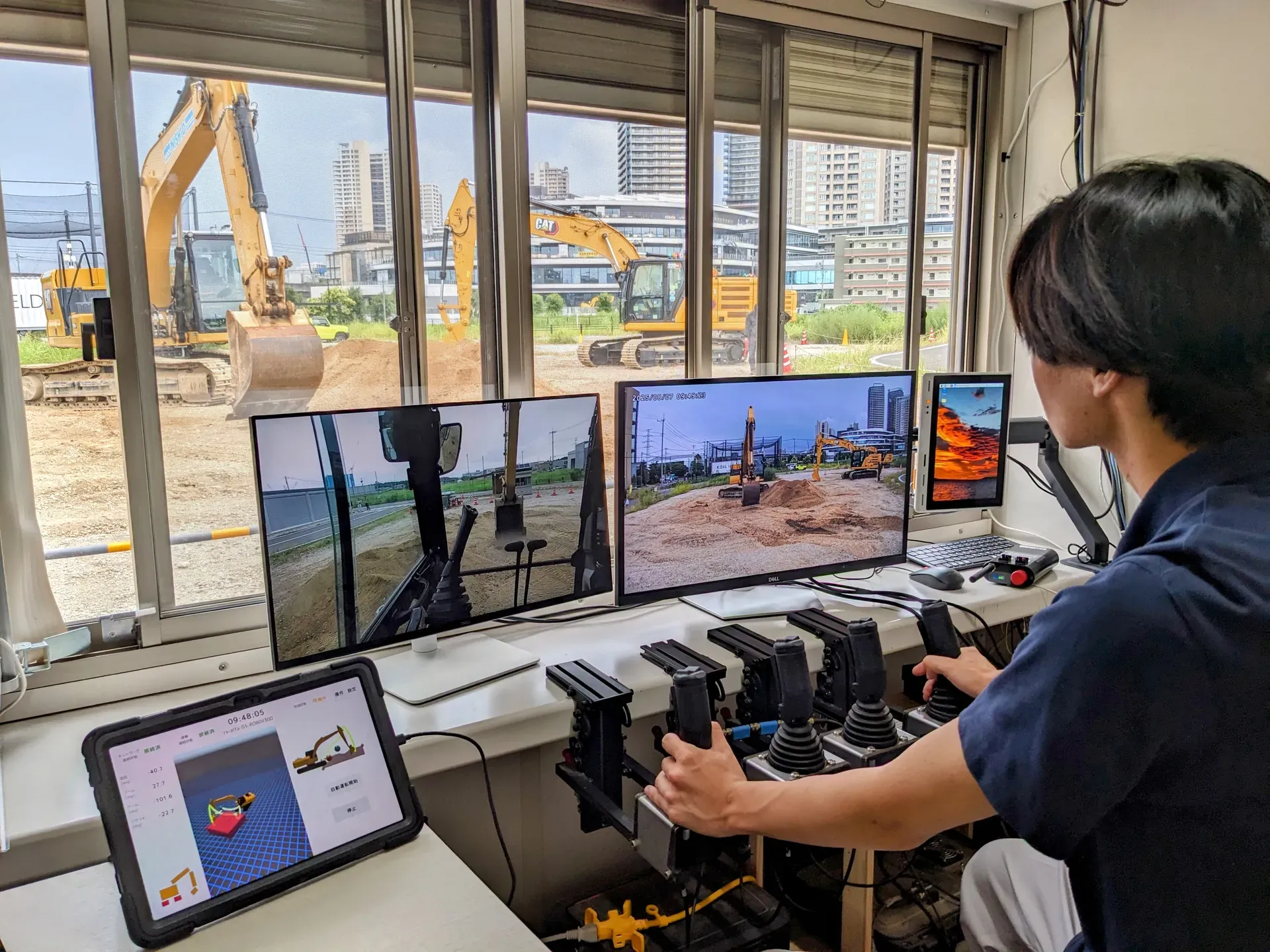
Operate the excavator from a safe location with a game controller, joysticks or a dedicated operator station. Cloud connection over 4G LTE/5G reaches up to approx. 1,000 km; control latency is approx. 0.06 s.*
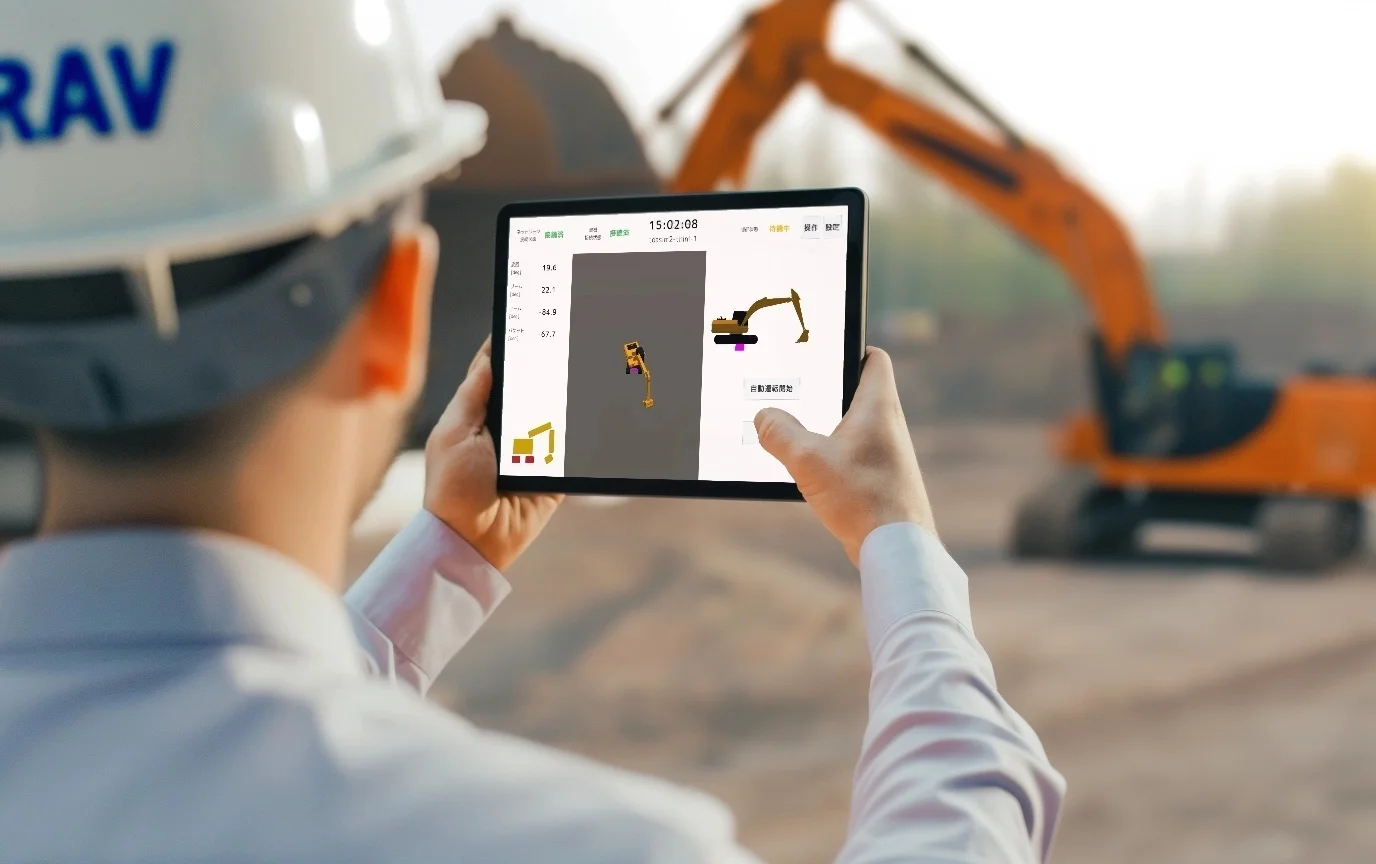
Remote solutionThe machine repeats the dig, swing, dump and return cycle on its own to feed hoppers and crushers (approx. 30 s per cycle*). One operator supervises from a tablet and steps in only when needed.
Autonomous solutionTwo independent stop systems: a dedicated radio emergency stop that works without the network, and an automatic stop when the link degrades. Beacon lights show the machine state to people nearby.
Safety* Reference values from ARAV's test environment (recommended network, low load; 0.7 m³ bucket class for the feeding cycle). Actual values vary with the network, machine, site conditions and settings.
Start with teleoperation or autonomy, or combine both.
Teleoperation
Teleoperation-only entry model. A simple way to start running an excavator remotely from a safe distance.
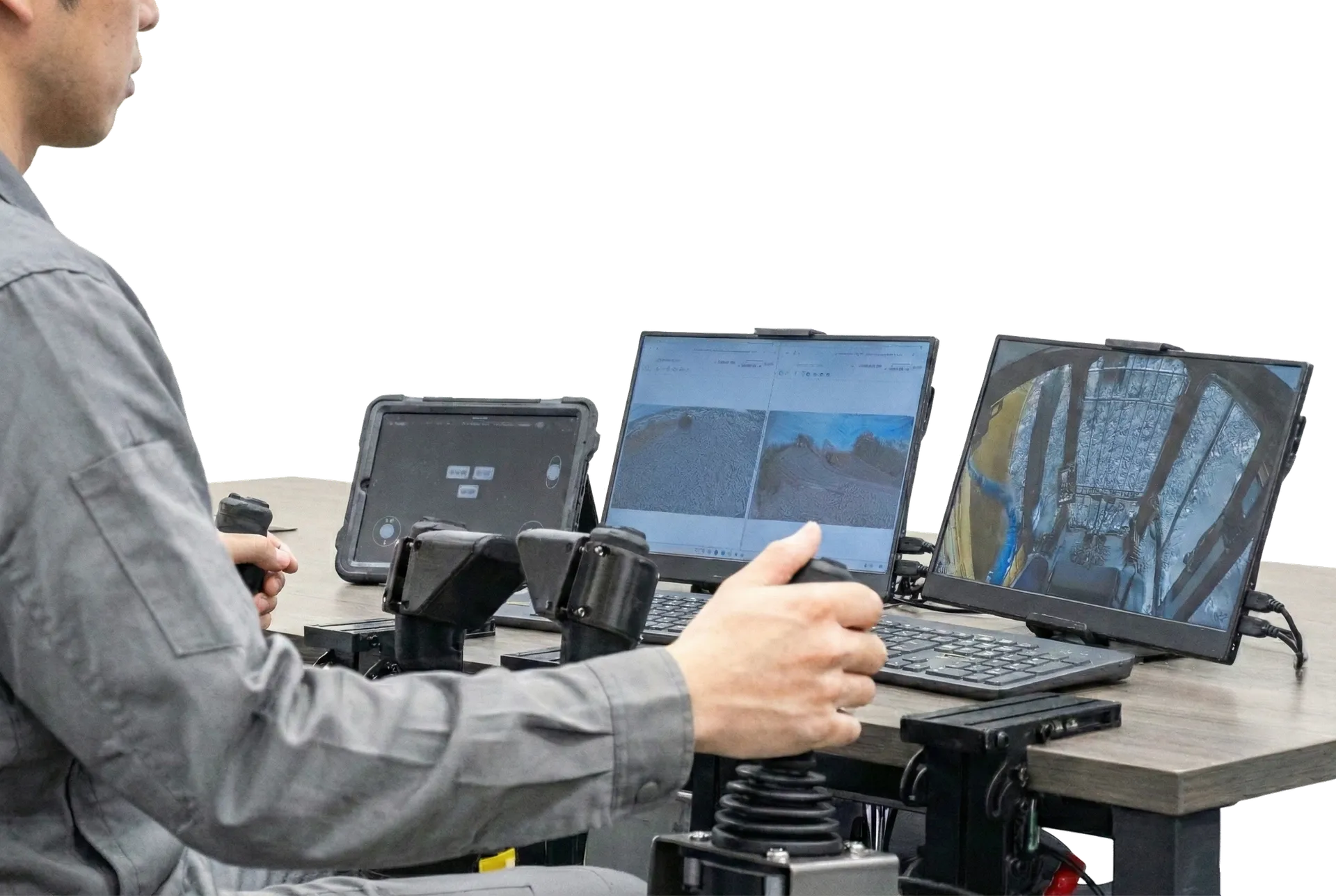
Teleoperation + autonomy
Both in one machine. Joystick remote control plus automatic hopper feeding and automatic loading of on-site haulers, so you keep people out of hazardous areas and save labor at the same time.
Teleoperation
Autonomy
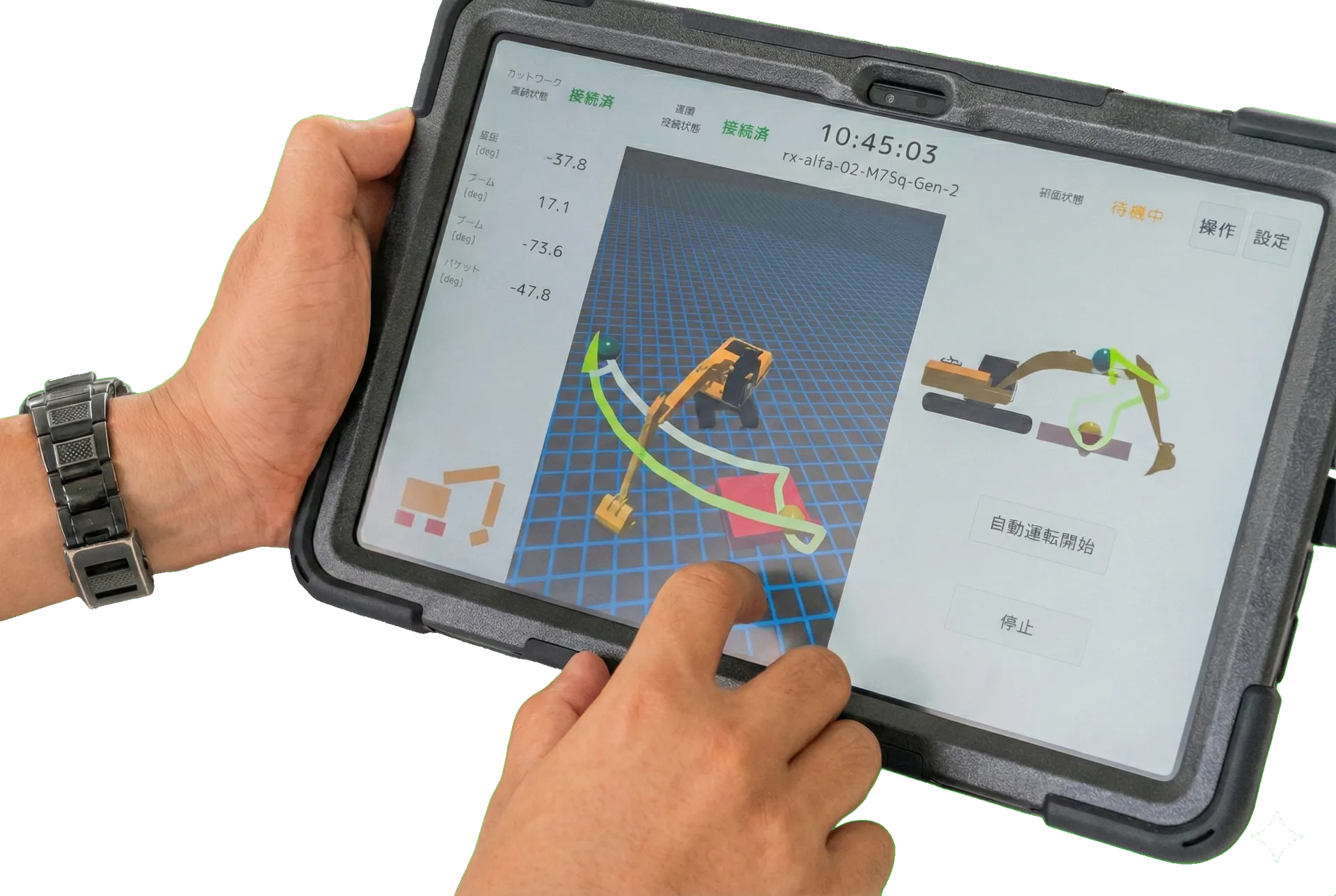
Teleoperation + autonomy + customization
For large sites such as tunnels and dams. Operators work from a dedicated station hundreds of kilometers away, with multiple monitors and automatic loading; one operator supervises several autonomous machines.
Teleoperation
Autonomy
Customization
Autonomy
Autonomy-focused entry model. Automatic hopper feeding as a first step toward running with fewer people.
Ultra-low-latency transmission lets operators far from the site work as if they were sitting in the cab.
* Reference values measured in ARAV's test environment (recommended network, low load). Actual values vary with the network type, signal conditions and site load.
The retrofit autonomous system takes over repetitive tasks such as hopper feeding and dump truck loading. LiDAR scans the dig area, so the machine keeps finding material in the pile. It helps with labor shortages and keeps people out of the machine's working area.
* Reference value from ARAV's test site (0.7 m³ bucket class, feeding task). Actual values vary with the machine, site conditions and settings.
RX is built for sites where excavators repeat the same task for long periods, or where it is dangerous for people to be near the machine.
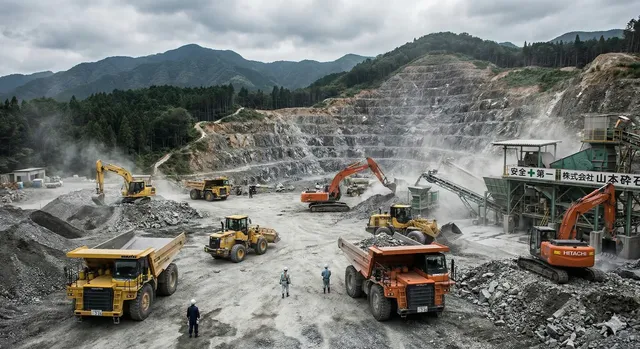
Feeding raw rock into primary crushers, and screening.
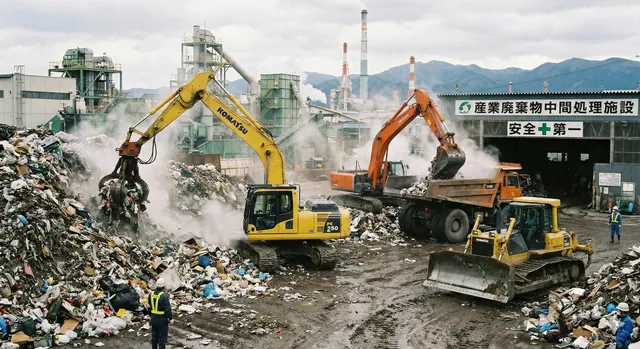
Feeding work at plants and recycling facilities, such as concrete rubble screening.
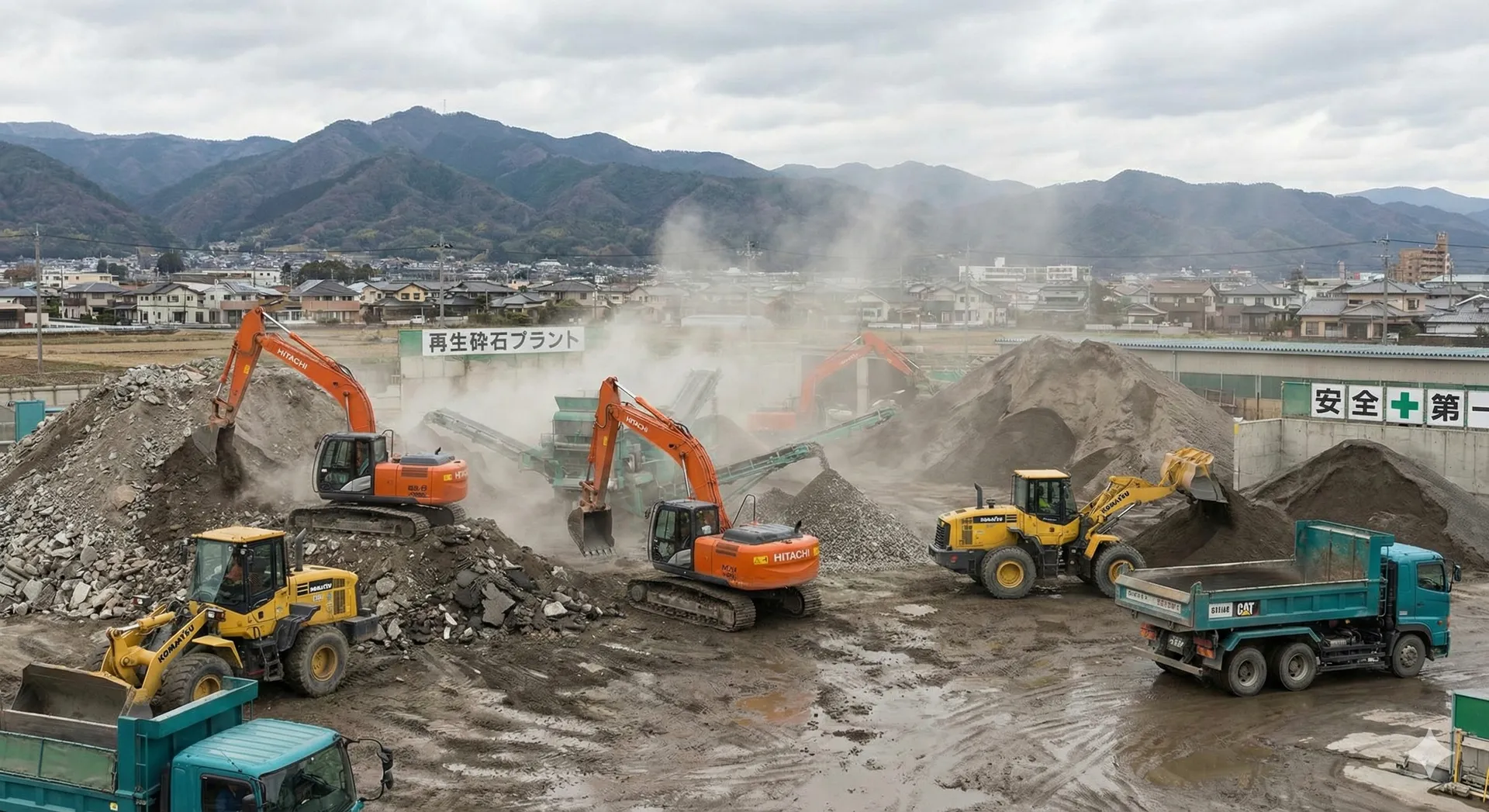
Surplus soil yards, river dredging with screening, and soil stabilization plants.
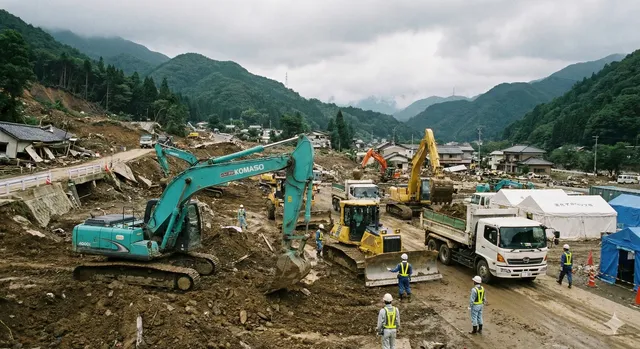
Disaster recovery, erosion-control works, tunnels and dams, operated from a safe distance.
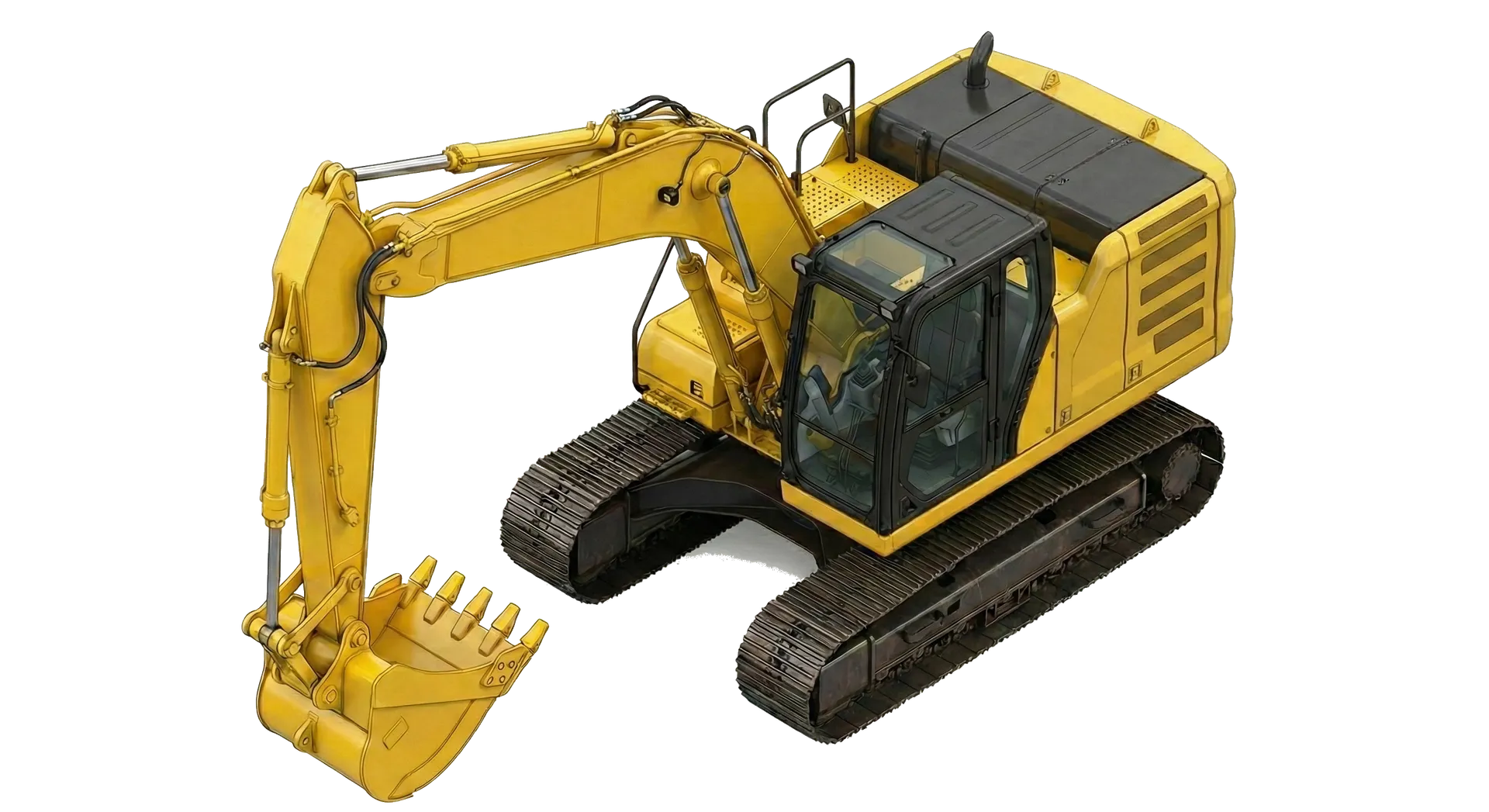
Real sites rarely run a single brand. ARAV's core technology connects to hydraulic excavators without intruding on the machine, regardless of make or model. The main targets are excavators of the 13 t class (0.5 m³ bucket, JIS) and above with electronic joystick controls; mini excavators are not supported. Examples of supported models:
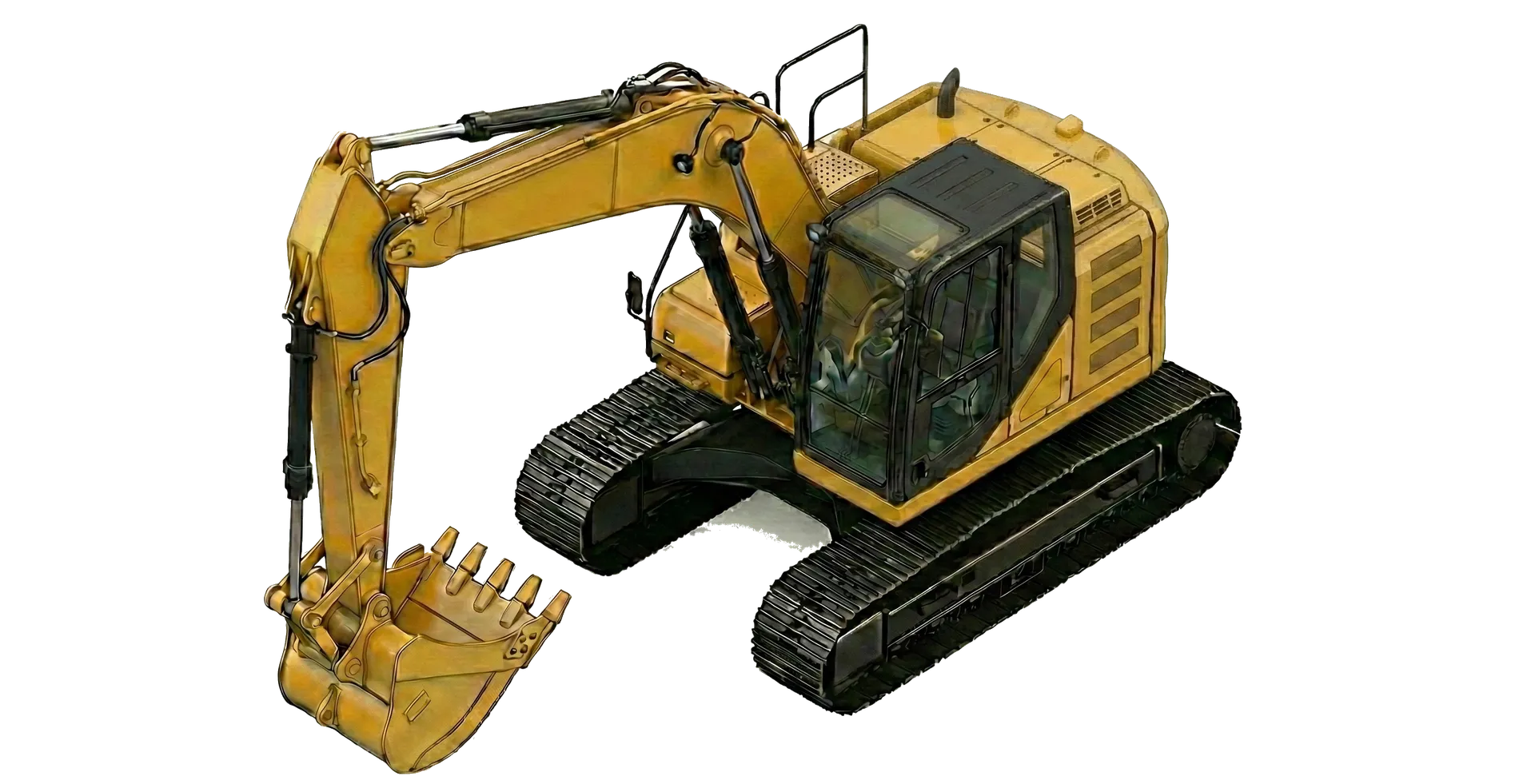
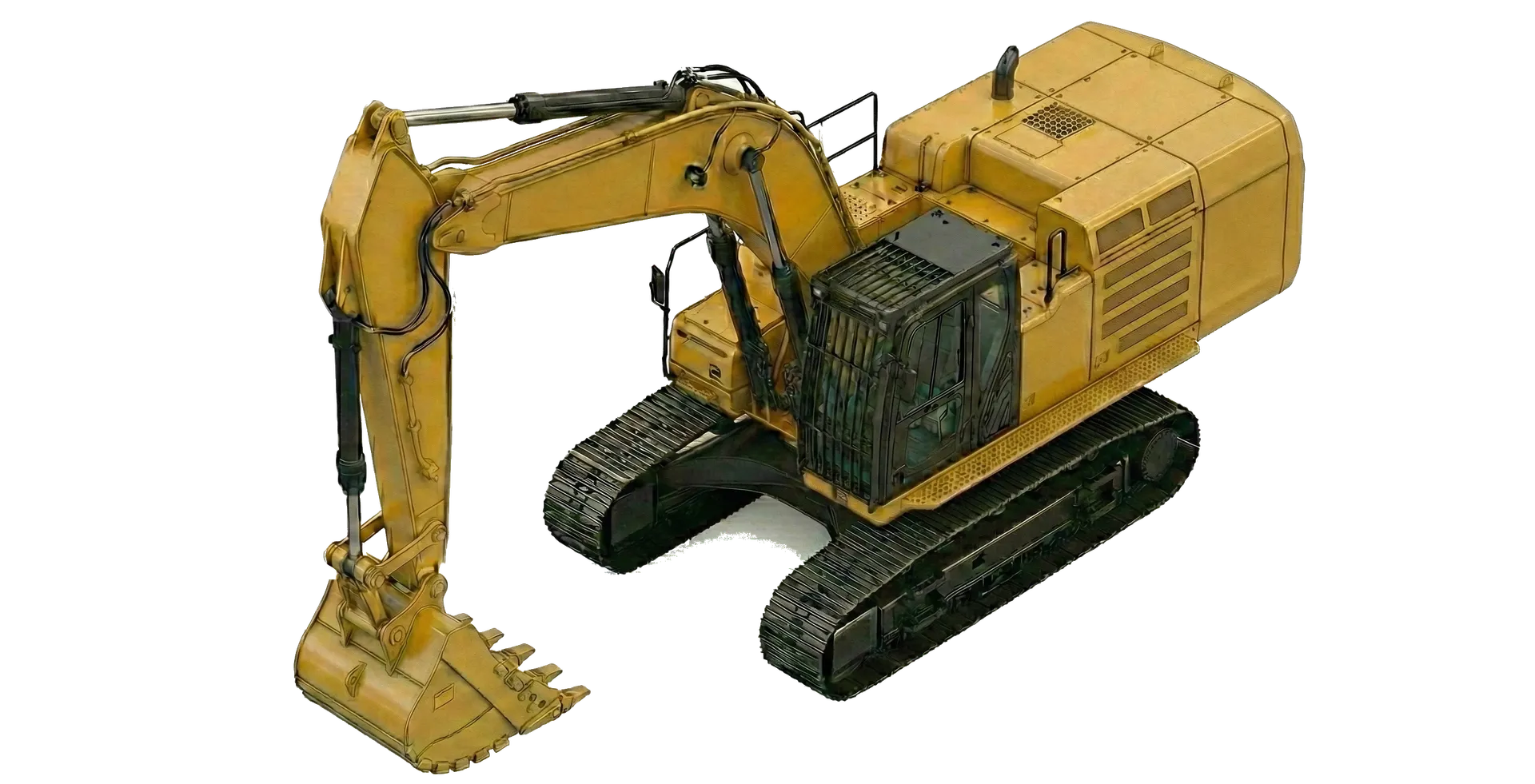
CAT313, CAT315, CAT320-GC, CAT323, CAT325, CAT326, CAT330, CAT336, CAT340, CAT345-GC, CAT352, CAT374, CAT395, etc.
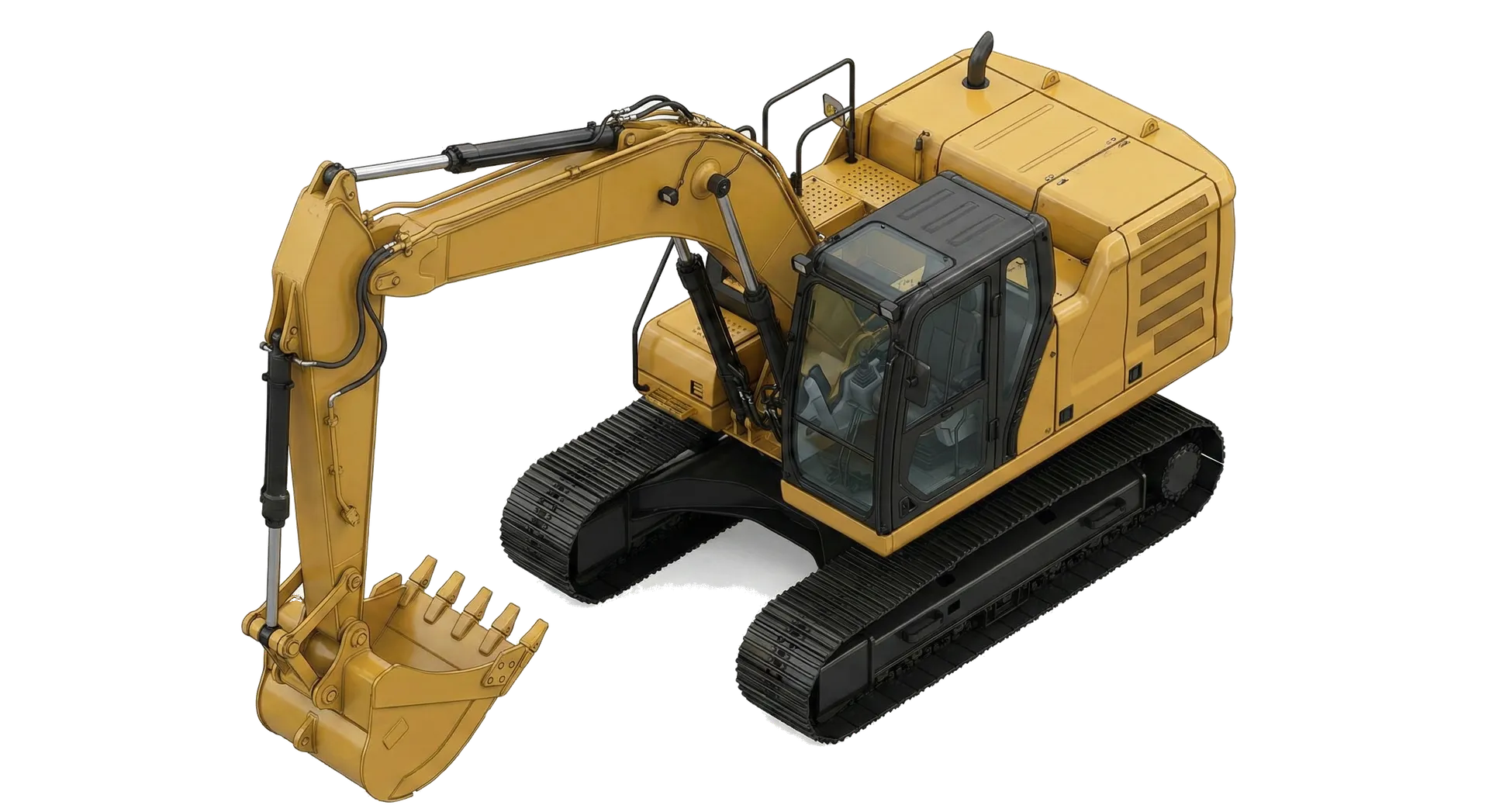
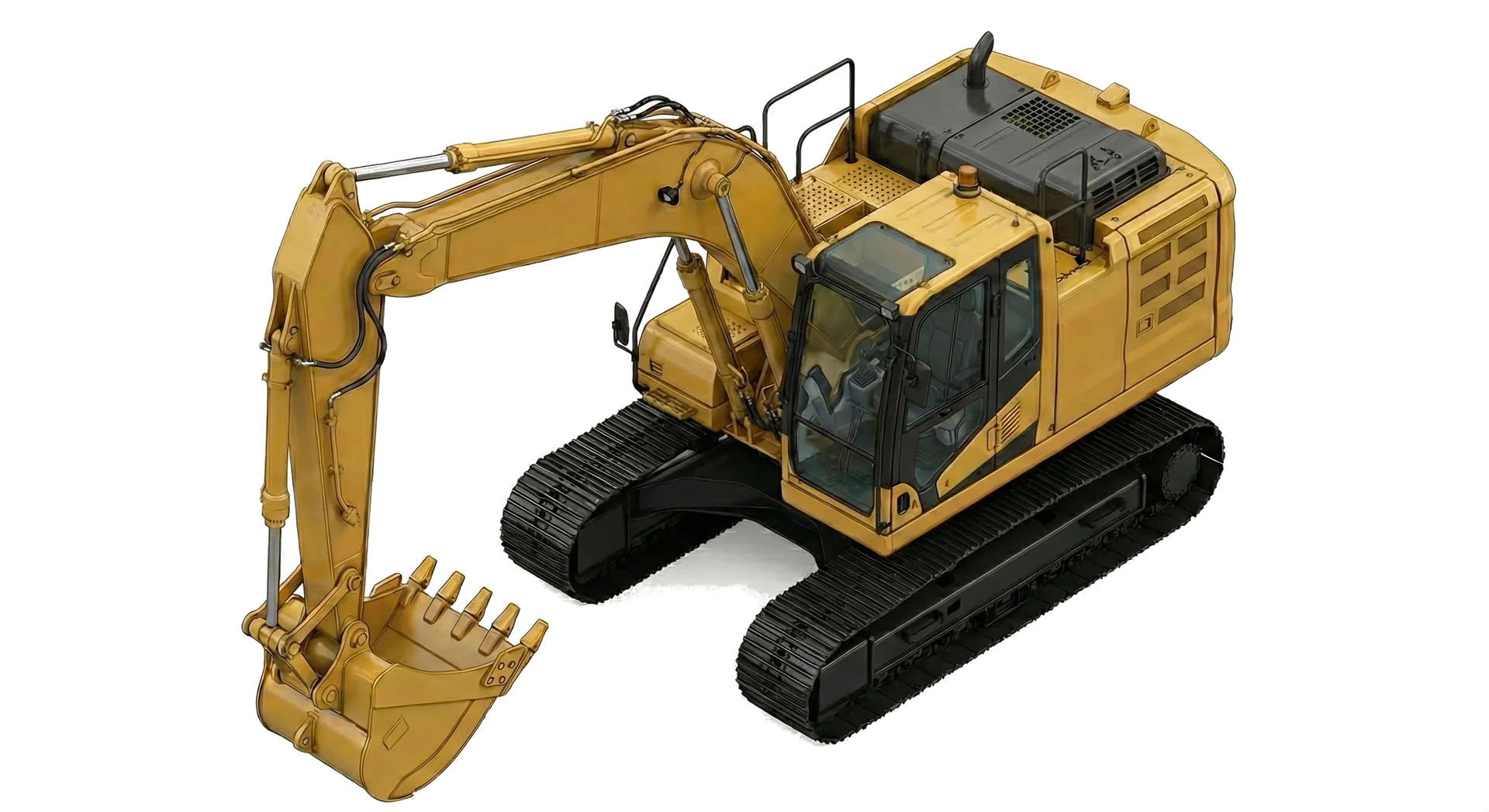
CAT320-07, PC200i-12, etc.
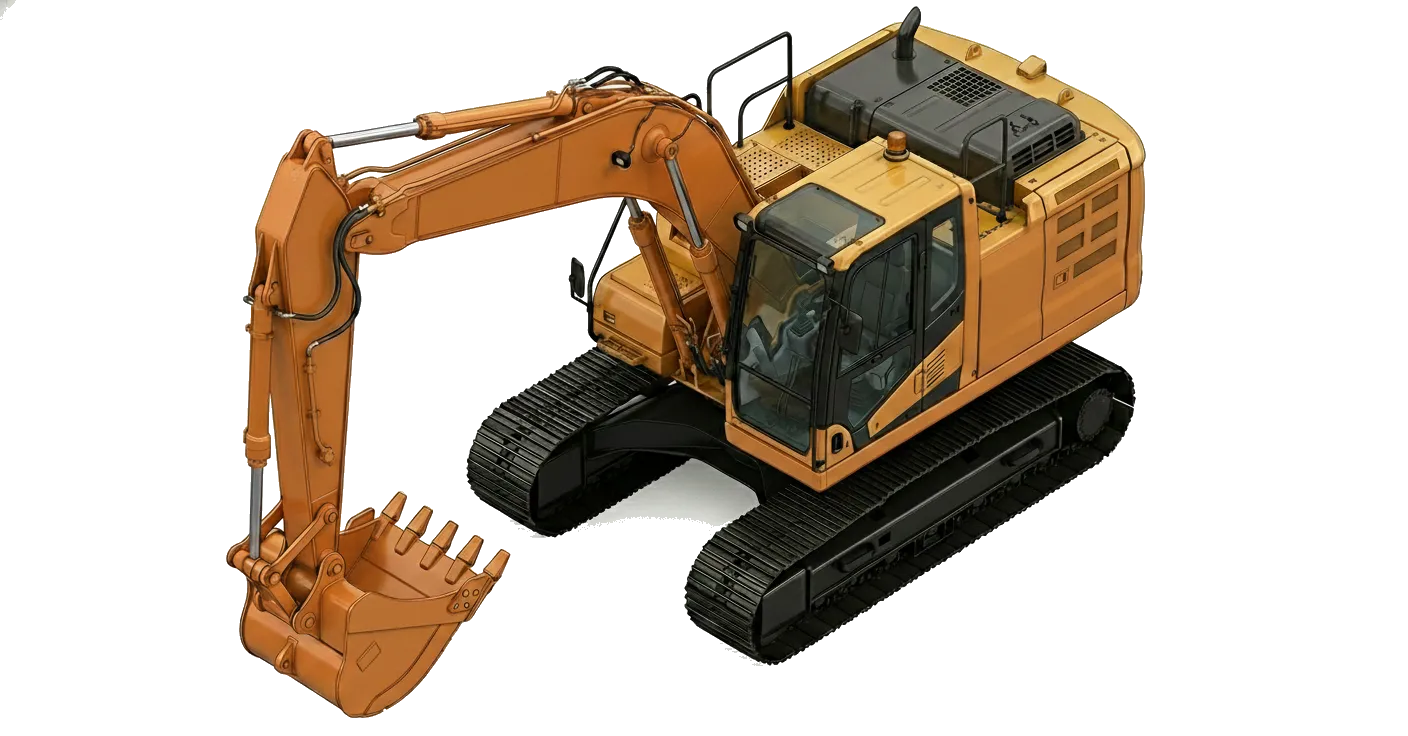
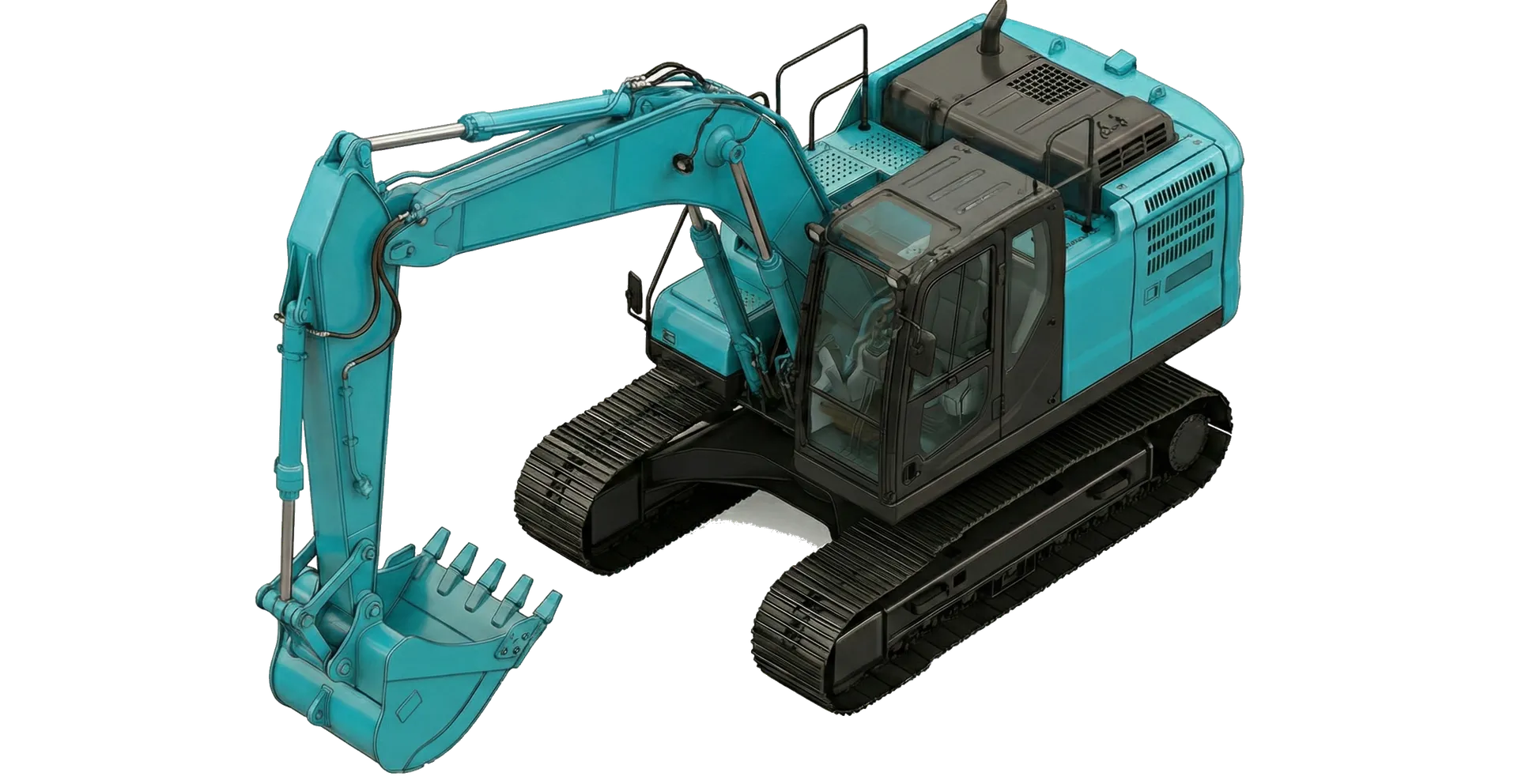
ZX200-7, SK200-10, SH200-8, etc. (please ask us for details)
Model names are as sold in Japan, and supported models may change without notice. Send us the make, model and year of your machines and we will check compatibility. One operator device can control machines of different makes, so mixed fleets can be run from the same seat.
ARAV has agreed with Hitachi Construction Machinery Co., Ltd. to apply “RBT Core Connect”, Hitachi's interface for remote and autonomous operation, to ARAV's automation system. This allows smooth and safe automation of the 20-tonne class ZX200A-7 and the 30-tonne class ZX330A-7 through a manufacturer-approved interface.
Hitachi Construction Machinery Co., Ltd. plans to change its name to LANDCROS Co., Ltd. on April 1, 2027.
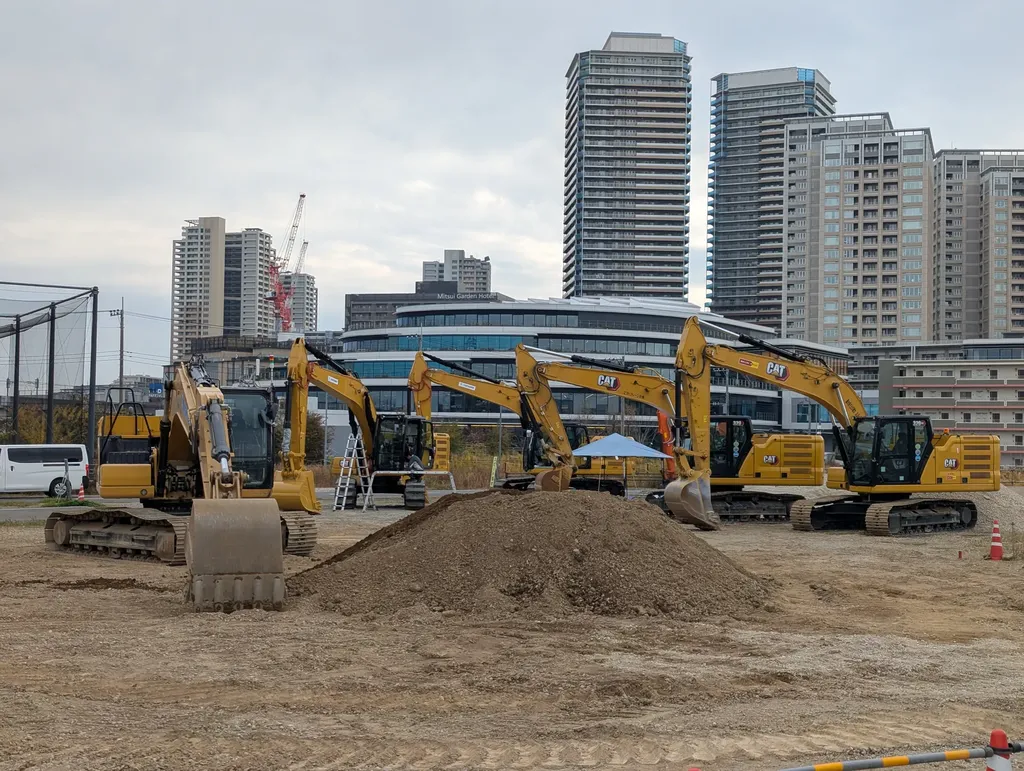
No new machine is needed. The system can be removed from one make and reinstalled on another (for example from Cat to Komatsu), so you keep using it over the long term.
* Reinstallation is carried out by ARAV and is charged separately, with its own lead time.
ARAV is not tied to any machine manufacturer. Retrofitting instead of buying new machines keeps costs well below manufacturer-installed systems, and the system can move to other makes.
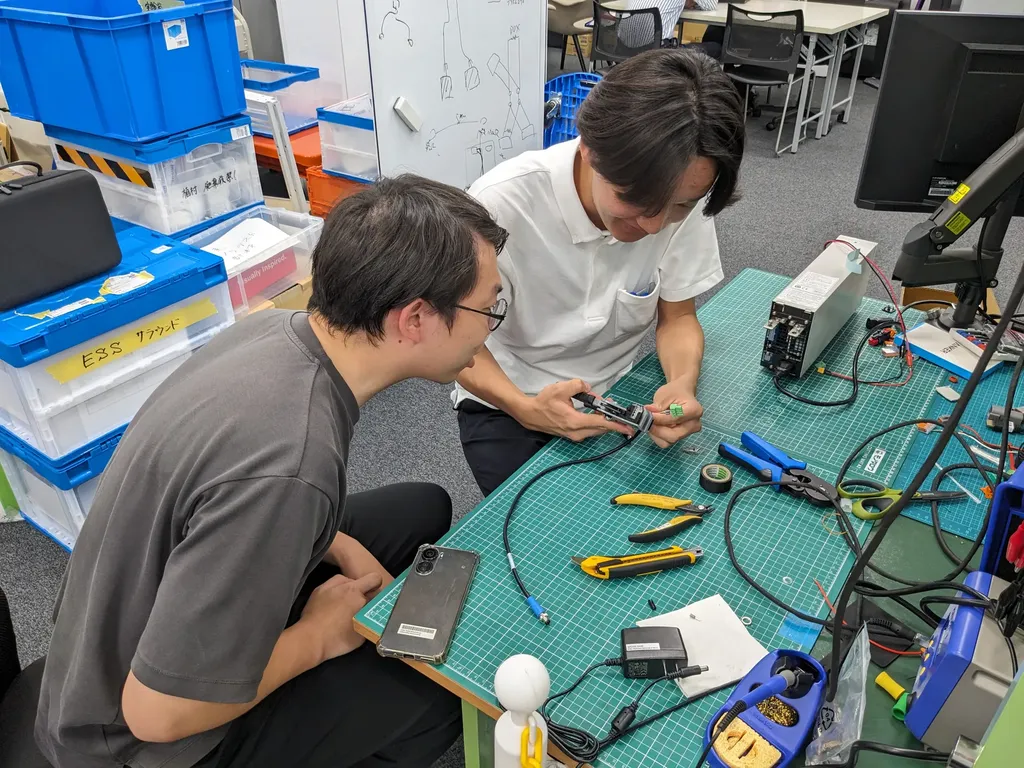
ARAV designs both the hardware and the software, from the on-machine controller and actuators to the remote-operation software and the operator station.
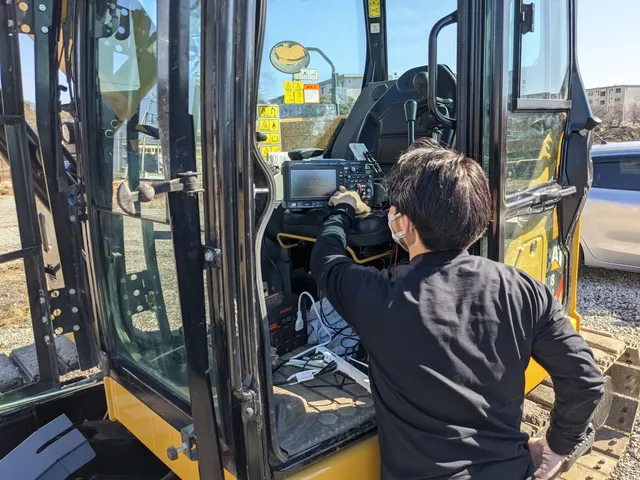
RX connects electrically and with a patent-pending actuator mount, without touching the hydraulic circuit. If anything goes wrong, an operator can sit in the cab and run the machine as usual.
SAFETY SYSTEM
Remote and autonomous operation need safety mechanisms that react immediately to lost communication or anything unexpected. The RX series has two independent stop systems so the machine can always be brought to a stop.
A dedicated radio link, separate from Wi-Fi and LTE
The site supervisor carries a handheld emergency stop unit that sends the stop signal over a dedicated low-power radio link. The handheld unit is used within line of sight of the machine. Because it is completely independent of Wi-Fi, LTE and other networks, the emergency stop works even when the network fails.
0.15s*
Response time to stop
Two-way
Communication
In Japan, the unit uses the 429 MHz / 920 MHz specified low-power radio bands. Radio regulations differ by country, so please ask us about use in your country.
Communication between devices is monitored continuously
The link between the operator's device and the machine is monitored in real time. If the system detects rising latency, packet loss or other faults, it brings the machine to a safe stop automatically, before the operator even notices.
2s*
From fault detection to stop decision
Always on
Monitoring
The machine carries a beacon light (red, yellow, green) that shows workers nearby whether it is running autonomously, on standby or stopped because of a fault. IP radios are used for voice communication on site, so the site supervisor and the person managing autonomous operation can talk at all times.
* Response and fault-detection times are reference values from ARAV's test environment and vary with the network, site load and settings. Operating the RX series requires the customer to ensure site safety, including work zoning, supervision and emergency stop arrangements. See the Safety page for details.
We review your site conditions, existing machines, communication environment and operating setup, then agree on the equipment specification, installation scope and the schedule to start of operation. If needed, we run a demonstration on a test machine. Depending on the conditions, demonstrations may be charged separately.
The system is installed at ARAV's assembly workshop or on site. It is a retrofit that does not touch the hydraulic system, so the machine can be returned to its original state. An in-house inspection checks the sensors, communication and safety functions.
After installation, we sign a purchase agreement for the equipment (remote-operation or automation unit) and a subscription agreement (monthly or annual) for the remote/autonomous operation application. Price, payment terms and maintenance scope follow what was agreed in the consultation.
The equipped machine is delivered and operation begins. The first year includes periodic maintenance support and operator training. Maintenance from the second year is agreed based on the operating record. After reviewing operating conditions and the site setup, we may not be able to accept every project.
These steps describe how projects run in Japan. For sites outside Japan, installation, operator training and maintenance arrangements are discussed with each customer before the project starts.
Which machines are supported?
Mainly excavators of the 13 t class and above with electronic joysticks, across makes. Mini excavators are not supported. See the model examples above.
How much does it cost?
It depends on the machines, site conditions and package. Contact us for a quote.
Can we try it first?
Demonstrations can be arranged at ARAV's facility in Japan by appointment. During the consultation phase, a demonstration on a test machine can also be arranged; it may be charged depending on the conditions.
We are outside Japan. Can we work with ARAV?
Yes. Tell us your country, site type, machines and tasks. Export, local support and warranty arrangements are discussed with each customer.
Tell us about your machines and the work you want to make remote or autonomous. We will get back to you by email.
Contact us